‘It’s all in her head’, or perhaps she’s actually dying
Women experiencing a heart attack are not receiving the same level of treatment and diagnosis as men
The Victorian Women’s Health Advisory Council is currently calling for submissions for their Inquiry into Women’s Pain. Chronic pain affects a higher proportion of girls and women than men around the world, however, they are less likely to receive treatment.
The findings from their ‘Listening to women's voices’ survey alarmed them towards the focus on women's pain. The survey found that less than half of the 1770 women who participated received the care they needed.
The leading cause of death for women in Australia is heart disease, yet women are more likely to go undiagnosed or misdiagnosed than men.
Research published by the University of Sydney in 2018 revealed that women admitted to hospital with serious heart attacks are half as likely as men to get proper treatment and to die at twice the rate of men six months after discharge.

So, why is this inquiry into women's pain coming so late? The answer is the patriarchy.
Maree Cuddihy is one of the twelve CEOs that make up the National Women’s Health Advisory Council and notes the clear bias and underfunding towards research that focuses on women. Also noting that “treatment has largely been based on male physiology and women's pain has often been treated as emotional and psychometric”.
This discrimination is deadly, Cuddihy states that “women are seven times more likely than men to be misdiagnosed and discharged in the middle of having a heart attack. Why? Because the medical concepts of most diseases are based on understandings of male physiology and women have altogether different symptoms than men when having a heart attack”.
“I think it’s outrageous that there have been all of these structural barriers to women receiving basic health care” states Cuddihy.
Chest pain seems the most sure-fire way to know someone is having a heart attack. However, this symptom is more common in men than women. Women having a heart attack instead display further symptoms such as shortness of breath, fatigue and jaw, back and shoulder pain.
A study from the American Heart Association noted that 53% of women reported that their provider did not think these symptoms were heart-related. Instead, their symptoms were more commonly linked to mental health issues.
Our healthcare workers see this discrimination in the education and training they receive for heart issues.
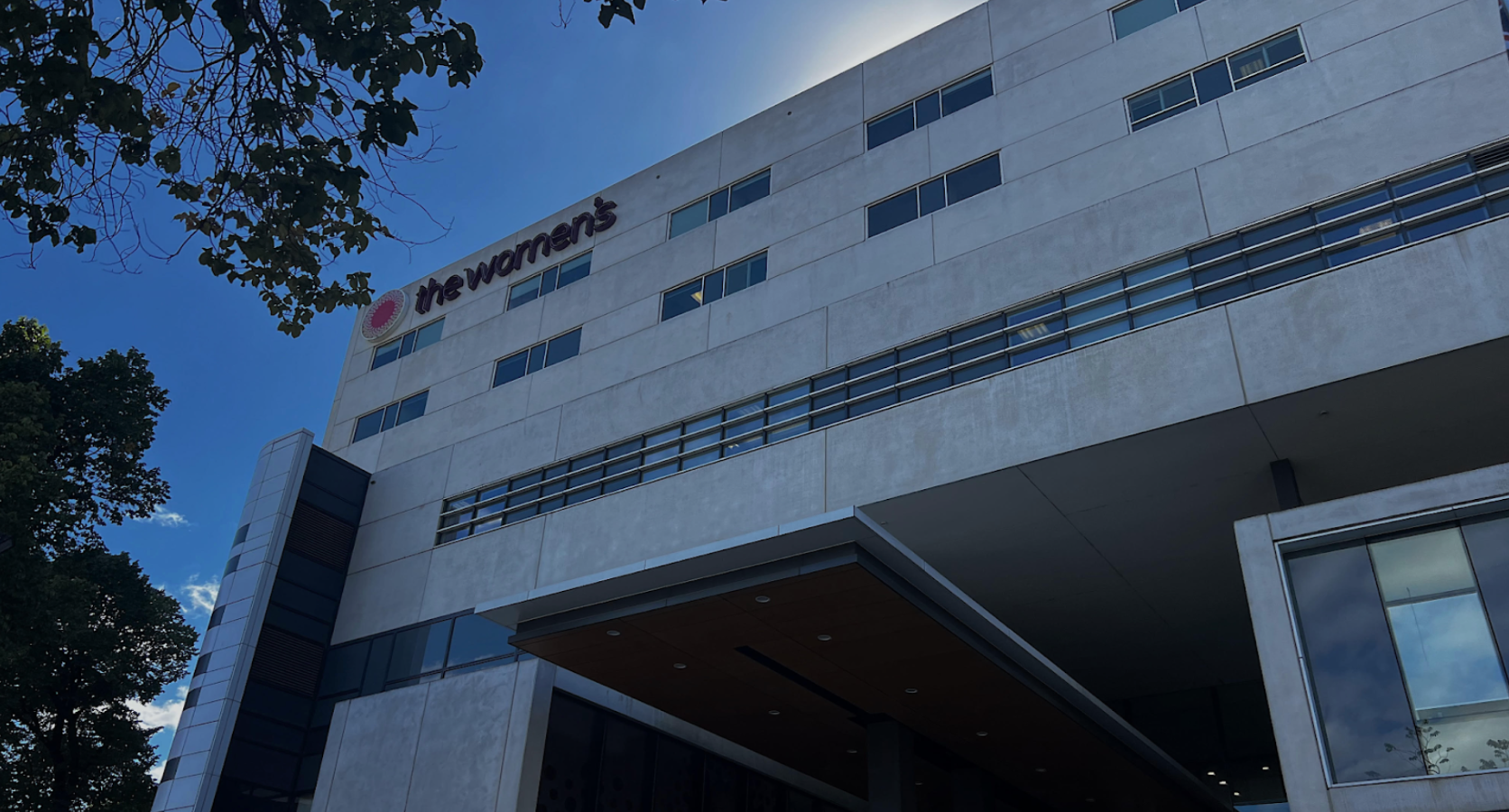
Sophie De Rosso a nurse at the Royal Women's Hospital remembers that her gendered learning came from experience “We were never taught that there can be gendered differences in the symptoms presented for the same condition. I only learnt that through my work in hospitals.”
“It's so important to be able to recognise differences in presentations. There's a huge gap in medical education which is concerning, it's a difference between life and death” De Rosso states.
The clear gender discrimination in the healthcare system does not go unnoticed by DeRosso “We would have the same few girls come in in tears with pain and we would max them out on everything we could and it wouldn’t help them at all. Then we would page the doctors to come up to assess and no one would come”
“Men can’t relate to women's pain and it seems that they don’t even try to” says DeRosso
Although frustrating to see the clear discrimination against women in the healthcare system everyone is hopeful that these inquiries and reports will help shift the gender bias and open up long-awaited conversations and education.
Post a comment